

Protein for Beard Growth: What It Can and Cannot Do
Evidence matters more than a growth promise.
This guide keeps nutrition and grooming in their proper lanes.
A beard can look dry, rough, or difficult to manage for reasons that have little to do with the next supplement advertised online. Nutrition matters, but the useful question is narrower: does your diet provide the building blocks your body needs for normal hair health?
Shop DALYSMOOTH beard and skin care for practical conditioning
Protein is relevant to protein for beard growth discussions because hair fibers are made largely of keratin, a protein. Adequate protein and overall nutrition support normal hair production. But current evidence does not show that simply eating more protein guarantees faster growth, greater density, or a thicker beard. A review of nutrition and hair health supports that distinction.
That gives us a practical starting point. Instead of chasing a beard-specific food or powder, it helps to understand what protein contributes to the hair fiber, where its limits are, and how nutrition fits alongside straightforward topical care.
How Does Protein Relate to Beard Hair?
Short answer: Protein supplies amino acids that the body uses to produce keratin, the tough structural protein that makes up the hair shaft. Adequate protein therefore matters for normal hair production and maintenance. It does not, by itself, guarantee faster beard growth, greater density, or a fuller pattern.
Keratin gives the hair shaft its structure
Beard hair is a fiber, not living tissue once it has emerged from the skin. Its core structure is largely keratin, a protein assembled from chains of amino acids. The hair follicle builds that fiber through an active process, so it needs access to the raw materials involved in protein production. A review in the medical literature describes the hair shaft as composed almost entirely of keratin and identifies dietary protein as critical to producing normal, healthy hair. Read the academic review on nutrition and hair health.
That relationship is important, but it is easy to overstate. Eating protein does not send a special growth signal to the beard. Instead, it supports the body's ordinary ability to maintain tissues with high biosynthetic activity, including the hair follicle. The same review notes that normal hair health depends on an adequate supply and transport of proteins, calories, vitamins, and trace elements. Protein is one part of that system, not a standalone beard formula.
What do amino acids have to do with it?
Proteins are built from amino acids, and different proteins have different amino-acid sequences that determine their shape and function. The body can make some amino acids, while nine essential amino acids must come from food. Meat, poultry, eggs, fish, dairy, and yogurt provide all the essential amino acids in substantial amounts. A varied diet containing legumes, grains, nuts, seeds, and other plant foods can also meet protein and essential amino-acid needs.
The practical takeaway is straightforward: consistent, adequate nutrition supports normal structure. It is not the same as proving that a high-protein diet creates new follicles or overrides genetics, age, hormones, or an established growth pattern. There is no beard-specific protein that has been shown here to produce those results. Treat claims about protein for beard growth as a question of evidence, not marketing confidence.
If your diet is restrictive, you suspect a deficiency, or you notice a sudden change in hair, seek individualized guidance from a qualified clinician rather than sharply increasing supplements or protein on your own.
Is There a Best Protein for Beard Growth?
There is no beard-specific best protein. Your beard does not require a special food, powder, or amino-acid formula that has been shown to make it grow faster or come in thicker. Protein matters because hair is made largely of keratin, and protein supplies amino acids the body uses to build and maintain tissues. That makes adequate nutrition relevant to normal hair health, not a guarantee of a different growth pattern.
The practical answer is variety. Animal foods such as eggs, fish, poultry, meat, milk, yogurt, and cheese provide substantial amounts of essential amino acids. Plant foods can work just as well within a varied diet that includes legumes, soy, grains, nuts, seeds, and vegetables. The University of Florida's nutrition guidance notes that people eating a varied plant-based diet can meet their essential amino-acid and protein needs. See its overview of protein and amino acids for the underlying nutrition basics.
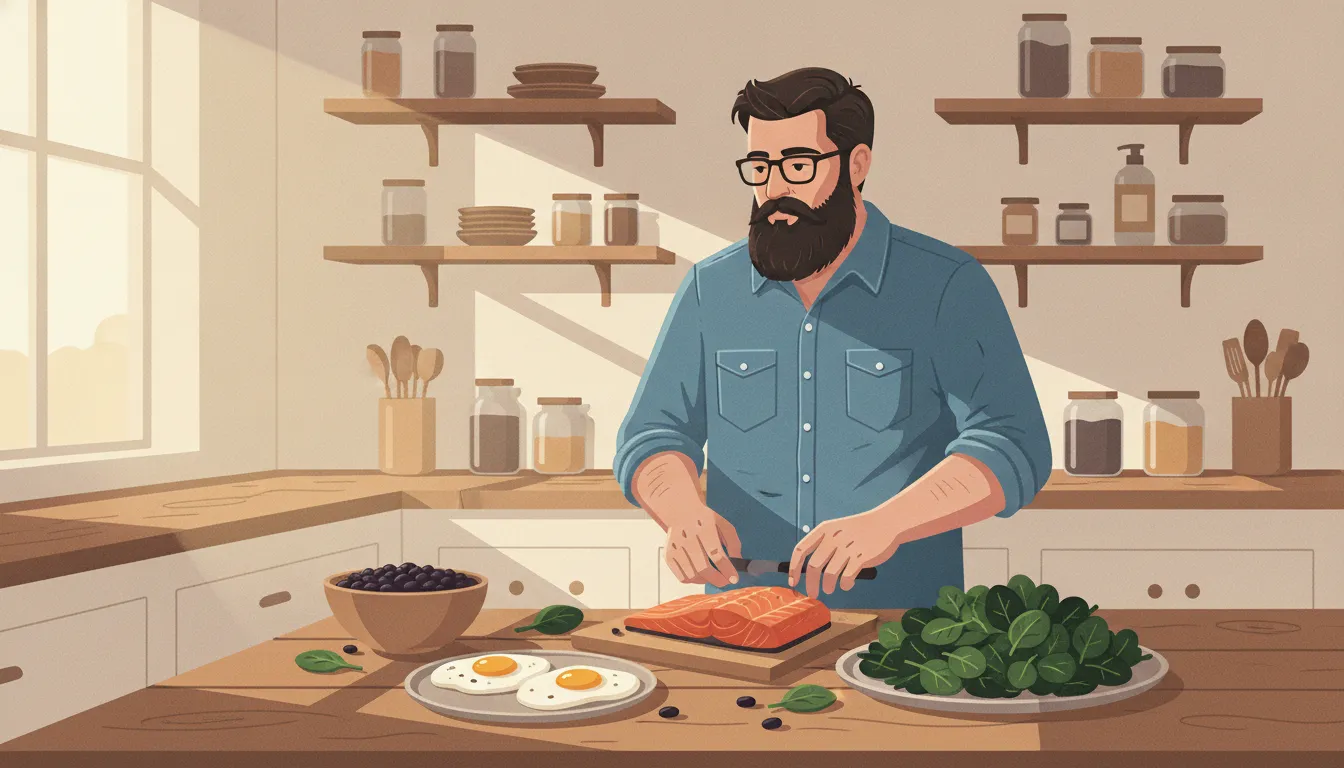
| Food source | Nutrition angle | Simple use |
|---|---|---|
| Eggs, fish, poultry, or dairy. | Protein and amino acids. | Use in a simple meal. |
| Beans, lentils, soy, or peas. | Plant-based protein. | Use in bowls or soups. |
| Nuts, seeds, and whole grains. | More plant variety. | Add to oats or yogurt. |
- Choose a protein source that fits your eating pattern.
- Pair it with varied foods that contribute vitamins, minerals, and energy.
- Judge results by normal nourishment and grooming comfort, not a growth guarantee.
Choosing between these options should come down to your preferences, dietary pattern, budget, and total meal quality. It should not be based on a promise of beard growth. The evidence supports getting enough protein and calories alongside a varied intake of vitamins and trace elements. Research does not establish that pushing one protein source beyond your needs changes beard density. The review literature on nutrition and hair makes the same distinction between adequate nourishment and supplement-driven growth claims: nutrition can support normal hair biology without proving a beard-growth shortcut.
Once nutrition is covered, external care addresses a different goal. A balm can help make existing facial hair feel softer, more conditioned, and easier to manage, but it is not a dietary treatment. For that side of the routine, start with a practical beard care products guide.
How Much Protein Do You Need for Beard Health?
There is no established serving size of protein for beard growth. The useful starting point is the general nutrition standard, not a special beard formula. For adults who are not pregnant or breastfeeding, the protein Recommended Dietary Allowance is 0.8 grams per kilogram of body weight. That figure comes from the University of Florida's IFAS guidance on protein and amino acids: read the full explanation of protein needs.
Think of that number as a baseline for general health. It is not a beard-growth dose, and eating more than the baseline does not guarantee faster growth, greater density, or a thicker pattern. Beard hair is made largely of keratin, a protein-based fiber, so adequate protein matters to normal hair production. That relationship does not mean a higher intake can override genetics, age, hormones, or the natural growth pattern of your facial hair.
Why is 0.8 grams per kilogram only a starting point?
Protein needs vary with age, sex, and body weight. They can also be affected by factors such as activity level, overall energy intake, pregnancy or breastfeeding, recovery from illness, and certain health conditions. A general article cannot calculate the right intake for you without knowing that context. Even a simple calculation using body weight should be treated as an educational reference, not an individualized prescription.
For most people, the practical move is to build regular meals around varied protein sources rather than chase a beard-specific supplement. Meat, poultry, seafood, eggs, dairy, legumes, soy foods, nuts, seeds, and grains can all contribute. A varied plant-based diet can also provide the essential amino acids needed to meet protein requirements.
If you follow a restrictive diet, suspect a nutrient deficiency, have a condition that affects nutrition, or notice sudden changes in hair growth or shedding, speak with a qualified clinician or registered dietitian. They can assess your circumstances and recommend appropriate testing or dietary changes. Do not respond to a beard concern by starting high-dose supplements or an extreme high-protein plan on your own. Adequate nutrition supports the beard you have, but it is not a guaranteed growth treatment.
What Else Does Overall Nutrition Have to Do With Hair Health?
Protein matters, but it is only one part of the nutritional picture. A hair follicle is a highly active tissue that depends on an adequate supply of calories, protein, vitamins, and trace elements for normal biosynthetic and energy metabolism. In other words, focusing on one nutrient while routinely under-eating or relying on a narrow food pattern misses how the system works. Research on nutrition and hair health describes adequate overall supply and transport of these nutrients as important to normal follicle function.
That does not mean a particular food can be credited with faster beard growth, or that a rough patch automatically signals a deficiency. It means consistent, adequate nourishment gives the body the raw materials and energy it normally uses to maintain tissues, including hair. Hair follicles also require sufficient vitamins and trace metals for their underlying metabolic work. Those nutrients come from a varied eating pattern rather than from chasing one fashionable ingredient.
What does a varied food pattern look like?
Think in terms of coverage, not a perfect menu. Protein foods can supply amino acids, while other foods contribute carbohydrates for energy, fats, vitamins, and minerals. Essential amino acids must come from food, and both animal and plant patterns can provide them. Meat, poultry, eggs, seafood, dairy, and yogurt offer high levels of the essential amino acids. A varied plant-based pattern built around vegetables, legumes, grains, nuts, and seeds can also meet essential amino acid and protein needs, according to the University of Florida guide to dietary protein.
- Include a dependable protein source across regular meals.
- Rotate vegetables, fruit, legumes, whole grains, nuts, and seeds.
- Use seafood, eggs, dairy, meat, or suitable plant proteins according to your preferences and needs.
This is a case for dietary variety, not a reason to build a supplement stack. Adding isolated vitamins, minerals, or amino acids beyond an adequate diet is not automatically proven to improve hair growth or quality. Supplements can also be inappropriate for some people or interact with existing care. If you have a restrictive diet, a diagnosed condition, or a significant change in hair, discuss individualized guidance with a qualified clinician rather than trying to diagnose the cause from beard appearance alone.
What Can Protein and Nutrition Not Do?
Good nutrition gives the body raw materials for normal hair biology. It does not turn a regular diet into a guaranteed beard-growth program. Hair fibers are made largely of keratin, and adequate protein, calories, vitamins, and trace elements matter to follicles with high biosynthetic activity. That is a foundation for normal function, not a promise of faster growth, greater density, or a thicker beard. The academic review of nutrition and hair health supports that distinction.
There is also no established protein dose specifically for beard growth. Meeting your general nutrition needs can help avoid an obvious shortfall, but pushing protein higher does not automatically make facial hair grow faster. Once an adequate diet is adequate, adding isolated nutrients is a separate claim that requires evidence. The review identifies this as an open question rather than a settled benefit.
Beard-growth supplements deserve the same scrutiny. Biotin, zinc, collagen, and similar products are widely marketed, but the clinical evidence for beard-specific results is limited. Collagen, in particular, has minimal evidence for hair growth and has not been specifically studied for beards. This evidence overview also notes that long-term high-protein diets or protein supplements can create health concerns for some people. More is not automatically better, especially when it replaces a varied diet or ignores your individual health picture.
Be skeptical of claims that say a food, powder, or capsule will:
- Guarantee faster beard growth in a fixed number of days.
- Increase beard density or thickness regardless of genetics and biology.
- Correct a deficiency without testing or clinical guidance.
- Make a topical grooming product act like a dietary growth treatment.
If you notice sudden changes in facial hair, unusual shedding, or other symptoms, speak with a qualified clinician. The same applies if you suspect a deficiency, follow a highly restrictive diet, or are considering high-dose supplements. A professional can assess the broader context instead of asking protein for beard growth to carry a claim it cannot support.
How Can You Support the Beard You Already Have?
Nutrition and grooming do different jobs. A balanced diet supplies the protein and other nutrients your body uses for normal tissue maintenance. It does not work like a styling product, and eating more protein is not a substitute for caring for the hair and skin already on your face. If your diet is adequate, there is no evidence that simply adding a beard-specific protein source guarantees faster growth or greater density.
Topical care is about the condition of the beard you can see and the skin beneath it. A well-chosen balm can coat and condition facial hair, helping it feel softer and sit under better control. It can also add comfort when the skin under the beard feels dry or tight. Those are practical grooming outcomes, not proof that a product changes the biology of beard growth.
Look for a formula that fits the job. The First Tee Beard and Skin Balm is designed for conditioning, softness, and manageable control, with beef tallow supported by complementary oils, shea butter, and beeswax. Work a small amount through a clean, mostly dry beard, then use your fingertips to reach the skin underneath. The goal is even coverage, not a heavy coating that leaves facial hair greasy.
Keep the distinction clear when evaluating claims. Food supports normal biology from the inside. Washing and conditioning help manage buildup, dryness, texture, and feel from the outside. If you have sudden changes in hair or suspect a nutritional deficiency, a qualified clinician can help you assess the cause instead of relying on a supplement or grooming claim.
A simple topical routine can make an existing beard look more deliberate without turning grooming into a project. Choose products for comfort, softness, and control, then let nutrition remain what it is: support for your overall health, not a shortcut to a promised beard result.
Shop the DALYSMOOTH beard and skin care collection
Frequently Asked Questions
Can protein make a beard grow faster or thicker?
Protein supports normal hair production because hair fibers are primarily made of keratin, a protein. That does not mean adding extra protein will make a beard grow faster, fill in patches, or become thicker. Adequate nutrition supports normal function, while beard pattern and density involve factors this article cannot change through diet alone. A review of hair and nutrition also notes that benefits from increasing specific nutrients beyond an adequate diet are not established.
What is the best protein for beard growth?
There is no beard-specific protein that has been shown to stimulate growth. Build meals around protein sources you already tolerate and enjoy, including meat, poultry, eggs, seafood, dairy, legumes, soy foods, nuts, seeds, and grains. A varied plant-based diet can also provide the essential amino acids your body cannot make on its own. The practical goal is dietary adequacy, not a special beard formula.
How much protein do you need for beard health?
For adults who are not pregnant or breastfeeding, the general protein Recommended Dietary Allowance is 0.8 grams per kilogram of body weight per day. That is a broad nutrition reference, not a beard-growth dose. Needs vary with age, sex, body weight, activity, health, and diet. If you have a restrictive diet, a suspected deficiency, or a health condition, ask a qualified clinician for individual guidance. The University of Florida IFAS nutrition guide provides the general RDA and notes that protein needs vary.
Do vitamins or supplements improve beard growth?
Vitamins and trace elements matter for normal follicle metabolism, but more is not automatically better. Supplements marketed for beard growth, including biotin, zinc, and collagen, have limited strong evidence for changing beard density or speed. Avoid megadosing based on a marketing claim. Sudden hair changes or concerns about a deficiency are better discussed with a qualified clinician than treated with guesswork.
Ready to Support the Beard You Have?
Nutrition can help support normal hair health, while topical care helps address the softness, manageability, and skin comfort that shape your daily grooming routine. For practical conditioning without turning beard care into a complicated project, shop the DALYSMOOTH beard and skin care collection. Choose the care that fits your routine and keep the focus on a healthy-looking, comfortable beard rather than promises about faster growth.


