

Best Beef Tallow for Skin: Buying Guide
Plenty of tallow jars look clean, but weak sourcing and processing tell another story. The right pick should nourish dry skin without hiding behind hype or a crowded ingredient label.
Shop the DALYSMOOTH Full Swing Bundle for a simple tallow-based beard and skin routine.
The best beef tallow for skin comes from a maker that clearly explains its cattle source, rendering process, complete ingredient list, and storage guidance. Look for well-purified tallow with a simple formula, then choose an unscented option if fragrances or essential oils tend to bother your skin. Proper processing matters because tallow begins as animal fat, and cosmetic quality can vary since the FDA does not require pre-market approval for cosmetic ingredients. Patch-test every new balm, use a small amount, and skip any seller promising to cure eczema, psoriasis, acne, or another skin condition. Practical buying standard: transparent sourcing, careful rendering, simple ingredients, honest claims, proper storage, and a formula suited to your skin.
That leaves the real buying question: What is the best beef tallow for skin? Before choosing a jar, separate useful sourcing, processing, and formula details from bold claims that sound good but prove nothing for your skin. A dependable answer starts with clear standards, not a flashy label.
What is the best beef tallow for skin?
The best beef tallow for skin is cleanly rendered, clearly sourced, and made with a short, easy-to-read ingredient list. It should feel comfortable, suit your skin type, and avoid bold medical claims. This is a buying standard, not a promise that one jar works for everyone.
Label essentials
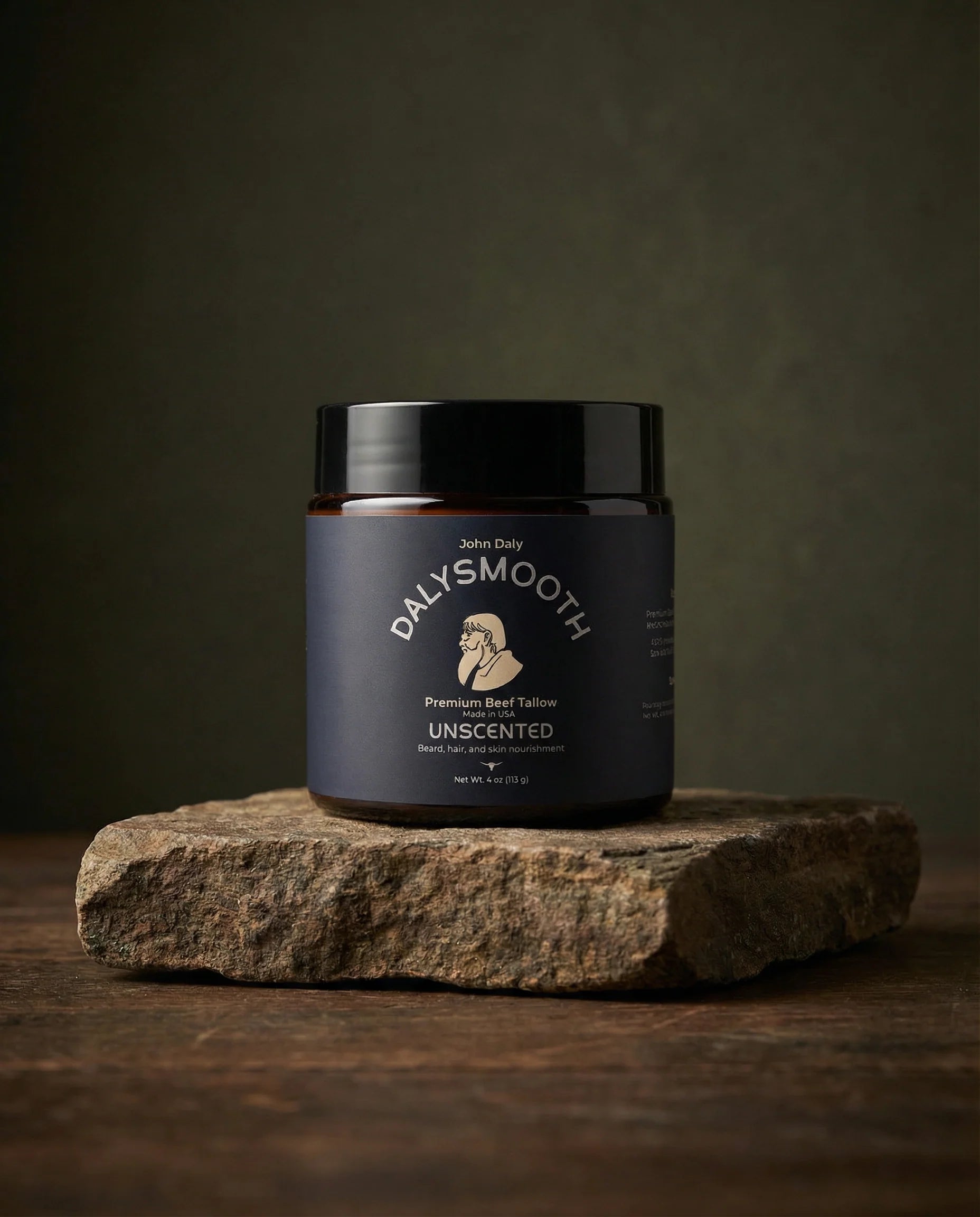
Look for a label that names the tallow source and lists every added ingredient. Clear sourcing lets you compare products instead of relying on vague words such as natural or premium. A properly rendered tallow should also have a consistent texture and no signs of spoilage.
Keep the formula simple. Added oils, scents, and extracts can change how a balm feels and how your skin responds. Beef tallow contains moisturizing fatty acids, but Cleveland Clinic notes that research on its vitamin benefits for skin remains limited.
- Named source and clear processing details
- Full ingredient list with no hidden fragrance
- Fresh, even texture and sensible storage directions
- No claims to cure eczema, psoriasis, or other skin conditions
Formula and skin type
Dry skin may handle a rich, plain balm well. Oily or breakout-prone skin may do better with a lighter formula and a smaller amount. Sensitive skin calls for extra care, since fragrance and added extracts may make the product harder to assess.
Test a small area before using tallow across your face or beard. Stop if you notice lasting redness, itching, or discomfort. Animal-derived fats can trigger reactions in some people, and Children's Hospital of Philadelphia advises caution for sensitive or eczema-prone skin.
Comfort over hype
A good tallow product should spread without a struggle and leave skin soft, not coated in a heavy film. The right finish depends on the amount used, the formula, and your skin. Start with a small dab, then adjust after seeing how it wears.
Do not choose a jar only because it says grass-fed, vitamin-rich, or traditional. Those details may guide the shortlist, but the full label and daily comfort matter more. For more help with facial use, read this guide to using beef tallow moisturizer on your face before comparing products.
Why quality and sourcing matter before you buy
Not every tallow balm starts with the same raw fat or follows the same process. Source, rendering, purification, storage, scent, and added ingredients can all shape the finished product. To find the best beef tallow for skin, look past the front label and check what the brand tells you.
Source and process
Start with provenance. A clear label should tell you where the cattle were raised and whether the brand uses grass-fed or grass-finished tallow. These details do not guarantee that a balm will suit your skin. Still, they let you judge the source instead of relying on a vague natural claim.
Rendering melts raw fat, while purification removes unwanted material and creates the solid tallow used in cosmetics. The process matters because incomplete handling may affect the balm's odor, texture, and shelf life. Cleveland Clinic's tallow overview explains that the fat is melted and purified before becoming a solid, white substance.
Storage, scent, and the full formula
Proper storage also deserves a close look. Tallow contains fatty acids that can spoil, so packaging and care directions should be easy to find. Keep the jar closed, follow the label, and notice any clear change in smell, color, or texture.
Scent deserves the same attention. An unscented formula may still carry a mild natural smell, while a scented balm may include essential oils or fragrance. Check the full ingredient list before buying, especially if your skin reacts easily. A transparent brand names every oil, wax, scent, and active ingredient instead of hiding them behind loose terms.
Claims you can check
Cosmetic products and ingredients do not receive routine FDA approval before sale, aside from certain color additives. That makes clear ingredients, source details, and sensible claims more useful when comparing products. The Children's Hospital of Philadelphia notes that tallow cosmetics can vary widely in quality because pre-market approval is not required.
Skip brands that promise to cure skin conditions or offer no way to trace their tallow. Look for plain ingredient names, clear storage guidance, and honest claims about moisture, softness, and comfort. This buying focus also helps separate your choice from a broad guide to the beef tallow moisturizer guide.
What benefits should a good tallow balm actually deliver?
Comfort that lasts after washing
A good tallow balm should make dry skin feel softer and less tight after washing. Its job is simple: support comfort and help slow moisture loss. Cleveland Clinic notes that tallow contains moisturizing fatty acids, including stearic acid and oleic acid.
That benefit should feel practical, not dramatic. Skin should feel calm and flexible, without a heavy coating that transfers to a shirt collar. The balm should also smooth rough spots that tend to show up around the cheeks, jaw, and hands.
Look for results you can notice during a normal day. The right balm should help skin stay comfortable between washing and bedtime. It should not promise to treat eczema, psoriasis, or any other health condition.
Richer texture and better beard control
Compared with a light lotion, tallow balm has a richer, denser feel. That texture makes a small amount easy to spread across dry areas. A well-made formula should melt with body heat and settle without leaving a waxy film.
In beard areas, a useful balm should soften coarse hair while helping the skin underneath feel less dry. It should also make stray hairs easier to shape. Men who want more detail can review this guide to beef tallow beard care.
Rich does not have to mean greasy. A good formula should absorb well when used in the right amount. If the beard looks wet or the skin feels coated, use less before deciding the balm is too heavy.
Simple support for a daily routine
The best beef tallow for skin should make a routine easier to keep. It should work on clean skin, fit beside a face wash, and serve both dry facial areas and a beard. That cuts down on extra bottles and guesswork.
- After washing, warm a small amount between clean fingers.
- Press it into dry skin before rubbing it across the surface.
- For a beard, work it down to the skin and then shape the hair.
- Add more only if the first amount absorbs without leaving a slick finish.
Judge the balm by steady comfort, softness, and ease of use. A thick texture alone does not prove quality. This guide to beef tallow moisturizer for men explains the buying details that matter beyond basic benefits.
Pay attention to how your own skin responds. Stop using the balm if it causes discomfort, and choose a formula that supports a routine you can follow each day.
What should you avoid in beef tallow skincare?
Vague sourcing and big promises
Skip tallow products that hide where the fat came from, how it was rendered, or what else is in the jar. Clear sourcing and a full ingredient list help you judge quality before the product reaches your skin. Cosmetics can vary in quality because they do not need FDA approval before sale, according to Children's Hospital of Philadelphia.
Avoid claims that tallow cures acne, eczema, rosacea, psoriasis, or any other skin condition. Tallow can work as a rich moisturizer, but it is not a proven medical treatment. A trustworthy label should focus on moisture, softness, comfort, and skin barrier support. Miracle language is a red flag, not proof.
Strong fragrance and poor texture
Heavy fragrance may be a poor fit if your skin is sensitive or already irritated. Look for fragrance-free choices or a lightly scented formula with every scent ingredient listed. If you want the best beef tallow for skin, the formula should feel useful, not harsh or distracting.
Texture matters too. A good balm should spread in a thin layer and settle into the skin without leaving a slick film. Skip formulas that stay greasy, smell spoiled, or have a grainy texture that makes even use hard. Dense tallow may suit dry areas better than oily or breakout-prone areas.
- Avoid jars with no seal, damaged lids, or signs of dirt around the opening.
- Do not keep dipping unwashed fingers into an open jar.
- Stop using a product if its smell, color, or texture changes.
Why some dermatologists are cautious
Dermatologists are not always against tallow. Their concern is that online praise often runs ahead of the research, while each person's skin can react in a different way. Tallow also contains oleic acid, which may raise water loss and worsen dryness for some skin, as clinical guidance on beef tallow explains.
The downsides are plain: tallow can feel too heavy, cause sensitivity, or fail to help the issue you hoped to treat. Patch test a small spot first, then watch for redness, itching, burning, or new breakouts. Stop use if a reaction starts. See a dermatologist for ongoing symptoms or a known skin condition.
How to choose beef tallow for your skin type
The best beef tallow for skin depends on how your skin feels before and after use. Start with a short ingredient list and clear sourcing details. Avoid products that promise to cure a skin condition. Tallow contains fatty acids that may help prevent water loss and soften dry skin, according to the Cleveland Clinic.
A simple skin-type check
Choose a plain or lightly scented formula first, then match the amount to the area. Dry skin may need more coverage than an oily forehead. Beard hair also changes how much balm reaches the skin below. For more beard-specific tips, see this guide to balm for beard-area comfort.
Dry skin: Pick a simple, rich balm and apply a small amount to damp skin. Start every other night, then add more often if your skin stays comfortable.
Normal skin: Begin with a thin layer at night. If your skin feels greasy the next morning, use less or apply it less often.
Beard area: Warm a small dab between your fingers. Work it through the beard, then press it into the skin beneath without leaving a heavy coat.
Oily or acne-prone skin: Test one small area before using tallow across your face. Stop if you notice new clogged pores, bumps, or lasting redness.
Sensitive skin: Choose a fragrance-free formula with few ingredients. Patch test first, and stop if the area becomes itchy, swollen, or more irritated.
How to patch test
Apply a rice-grain amount to a small, clean area near your jaw or inner arm. Leave the rest of your routine unchanged so you can judge the product alone. Check the spot over the next few days before trying a larger area. Animal-derived fats can cause allergic reactions or worsen sensitivity in some people, as Children's Hospital of Philadelphia notes.
Do not push through burning, swelling, hives, or lasting irritation. Wash off the product and stop using it. Seek medical care for a strong or fast-spreading reaction. A patch test cannot predict every response, but it gives you a low-risk first check.
Adjusting without extra steps
Keep the routine basic while you test. Use one small dab after washing, then wait to see how your skin responds. If it feels dry or tight, try slightly more. If it feels slick or congested, use less or space out applications.
Review the result after a steady trial instead of changing the amount each day. Comfort, softness, and a clean finish matter more than using a thick coat. The right product and pace should fit your skin without turning grooming into a project.
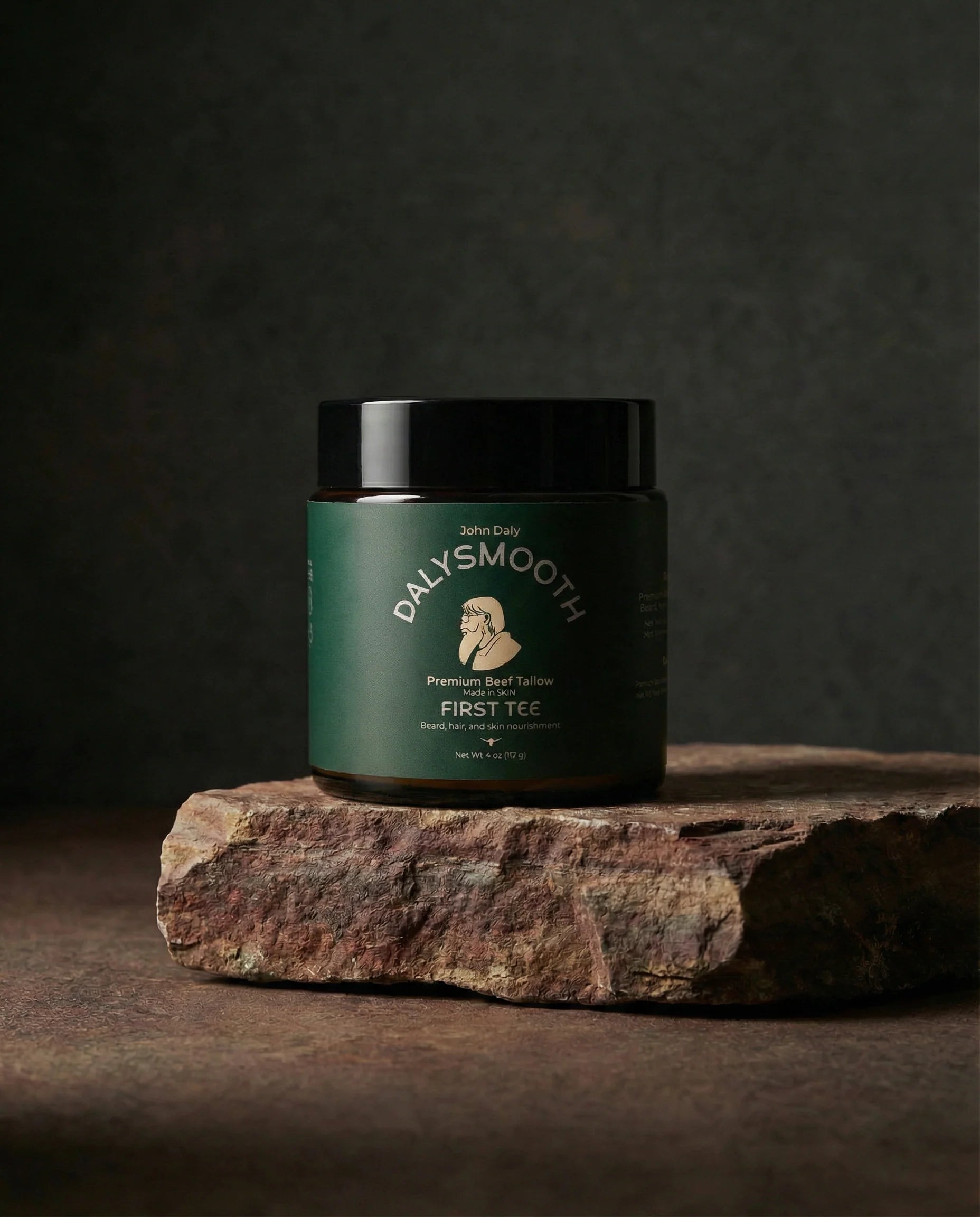
Try First Tee Beard & Skin Balm if you want a USA-made tallow balm that keeps face and beard care straightforward.
Beef tallow vs. common moisturizers for men
The right moisturizer depends on where you use it, how dry your skin feels, and how much texture you can handle. Beef tallow balm feels richer than lotion or oil. Its fatty acids can help soften dry skin and limit water loss, according to Cleveland Clinic guidance on beef tallow.
Quick product comparison
Each option handles a different job. Use this table to match the product with your skin, beard, and daily routine.
| Product | Best fit |
|---|---|
| Beef tallow balm. | Dry skin, rough spots, and beard-area care. |
| Lightweight lotion. | Normal or oily-feeling skin when speed matters. |
| Petroleum jelly. | Dry exposed spots that need a plain outer layer. |
| Plant oil. | A light layer, extra slip, and easy blending. |
| Beard oil. | Facial hair softness when face moisture is handled separately. |
Skin type and texture
Tallow balm suits men who want a dense layer that stays put. Start with a small amount on damp skin, then add more only if needed. Men who dislike a rich finish may prefer lotion for the face and tallow for dry hands or rough spots.
Petroleum jelly is the most slick option in this group. It works best when you want a plain outer layer, not a soft balm feel. Plant oils spread fast, but their thin texture can make it easy to apply too much.
Sensitive skin needs a careful test, no matter which product you choose. A moisturizer should be safe and easy to use often. Children's Hospital of Philadelphia notes that an ideal moisturizer is safe, thick, and free of common allergens.
Face and beard simplicity
A beard changes the choice. Lightweight lotion can sit on the hair instead of reaching the skin below. Beard oil spreads through facial hair well, but it may not replace a face moisturizer.
Tallow balm offers a practical middle ground for men who want fewer products. Work a small amount between your palms, press it into the skin, then shape the beard. Our guide to beard balm routine explains how balm fits a beard routine.
For the best beef tallow for skin, choose based on feel and intended use rather than trend alone. Pick lotion for speed, oil for slip, petroleum jelly for a slick outer layer, or tallow for rich face-and-beard care.
Where DALYSMOOTH fits in a tallow skin routine
DALYSMOOTH fits men who want tallow-based care without turning grooming into a drawn-out project. Its USA-made approach pairs nutrient-rich beef tallow with a direct, masculine routine for both skin and beard care. The focus stays on daily comfort, moisture, softness, and control rather than medical promises.
A practical way to judge the fit
The best beef tallow for skin is not just the jar with the boldest claims. Look at where it is made, what the full formula contains, and whether its format suits your routine. Tallow contains fatty acids such as stearic and oleic acid, which can help moisturize and soften dry skin, according to the Cleveland Clinic's tallow overview.
DALYSMOOTH meets those buying criteria with premium, USA-made products built around nutrient-rich beef tallow. Its straightforward positioning also makes sense for men who want one practical system instead of a crowded shelf. For more help judging formulas and daily use, read this guide to beef tallow moisturizer for the face.
Skin and beard options
Beard and skin balms give you a focused starting point. Apply a small amount where dryness or rough texture needs support, then adjust based on how your skin responds. On facial hair, the balm can help soften the beard while caring for the skin beneath it.
- Choose a skin balm when moisture and simple daily care are the main goals.
- Choose a beard balm when you also want softness, shape, and control.
- Use the Daly Clean Collection when cleansing should be part of the same tallow-based routine.
Men managing both facial skin and beard care can use the same buying standards across each product. The related guide to beef tallow beard balm explains how beard balm fits into regular grooming.
A simple full-routine choice
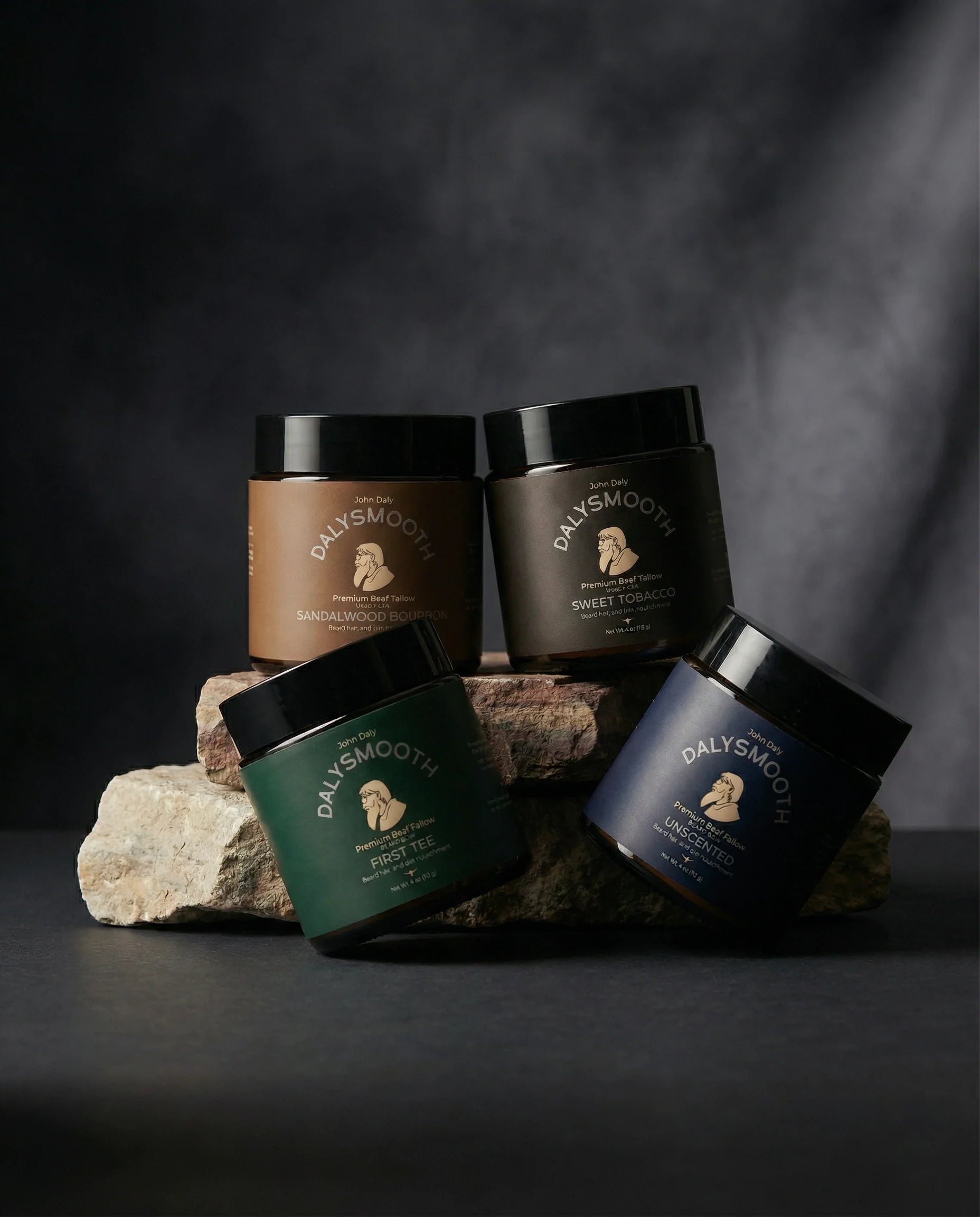
The Full Swing Bundle is the practical route for someone who wants a more complete DALYSMOOTH routine from the start. It brings the brand's skin, beard, and cleansing approach together without making the process feel complicated. That makes it a sound fit for a first tallow routine or a simpler replacement for scattered products.
Start with clean skin, use a modest amount, and pay attention to comfort over time. Dense balms can feel different from light lotions, so more product is not always better. If your skin is sensitive, test a small area before making any new balm part of daily care.
Frequently Asked Questions
What is the best beef tallow for skin?
The best beef tallow for skin has clear sourcing, a short ingredient list, careful rendering, and storage instructions. Choose a formula made specifically for skin, not cooking tallow. Unscented options are sensible for sensitive skin. Quality can vary because cosmetic ingredients do not require FDA pre-market approval, according to Children's Hospital of Philadelphia.
Why don't dermatologists like beef tallow?
Dermatologists are cautious about beef tallow because evidence for its skin benefits remains limited, and product quality varies. Tallow contains moisturizing fatty acids, but it can also irritate some skin or worsen sensitivity. The Cleveland Clinic notes that research has not shown whether its trace vitamins are absorbed in amounts that provide meaningful skin benefits.
What are the downsides of using beef tallow?
Beef tallow can feel too heavy for some skin, and animal-derived fats may cause allergic reactions or worsen sensitivity. Poor processing or storage can also raise the risk of spoilage. Since formulas vary, check every ingredient and patch-test before wider use. Stop using the product if redness, itching, or irritation develops.
Does beef tallow help with eczema or sensitive skin?
Beef tallow may soften dry skin, but it is not a proven eczema treatment. Some fatty acids may support moisture, while others can increase water loss or worsen sensitivity. Children's Hospital of Philadelphia recommends choosing a safe, fragrance-free moisturizer and notes that evidence for tallow remains limited. Ask a dermatologist before using it on active eczema.
Why should I choose grass-fed beef tallow for my skin?
Grass-fed sourcing can provide clearer information about where the tallow came from, but the label alone does not guarantee a better skin product. Also check how the tallow was rendered and purified, what other ingredients were added, and whether the maker provides storage guidance. For sensitive skin, a simple, fragrance-free formula is usually the more cautious starting point.
Ready to Choose Better Tallow for Your Skin?
Buying vague, poorly sourced tallow can leave you with another jar that does not fit your simple daily routine. Waiting only extends the time you spend dealing with dry, uncomfortable skin, unclear ingredient lists, or missing sourcing details. Starting now lets you build a practical routine sooner and judge how a clean, tallow-based formula works for your skin with less guesswork.
Ready to make a confident choice without adding needless steps to your day? Shop the DALYSMOOTH Full Swing Bundle to start with four scents and find the one that suits your routine. Contact DALYSMOOTH through the product page if you need more details about the formula and ingredients before you order.


