

Why Does My Beard Itch? Skin-First Answers for Men
Constant itching that makes you want to shave off your beard is a sign of thirsty skin. This constant itch usually means your skin needs better care.
Shop DALYSMOOTH beard and skin care for a simpler skin-first routine.
"Why does my beard itch" is a question most men ask when their facial hair feels like coarse sandpaper. This itch starts with dry skin, sharp hair tips, and a buildup of dead cells that trap bacteria. When you shave, you create sharp edges on your hair that can curl back and poke the skin. According to the National Institutes of Health, this penetration of sharp hair tips into the skin triggers an inflammatory reaction that causes itching. To stop the scratch, you must focus on the skin barrier first. Using natural ingredients like
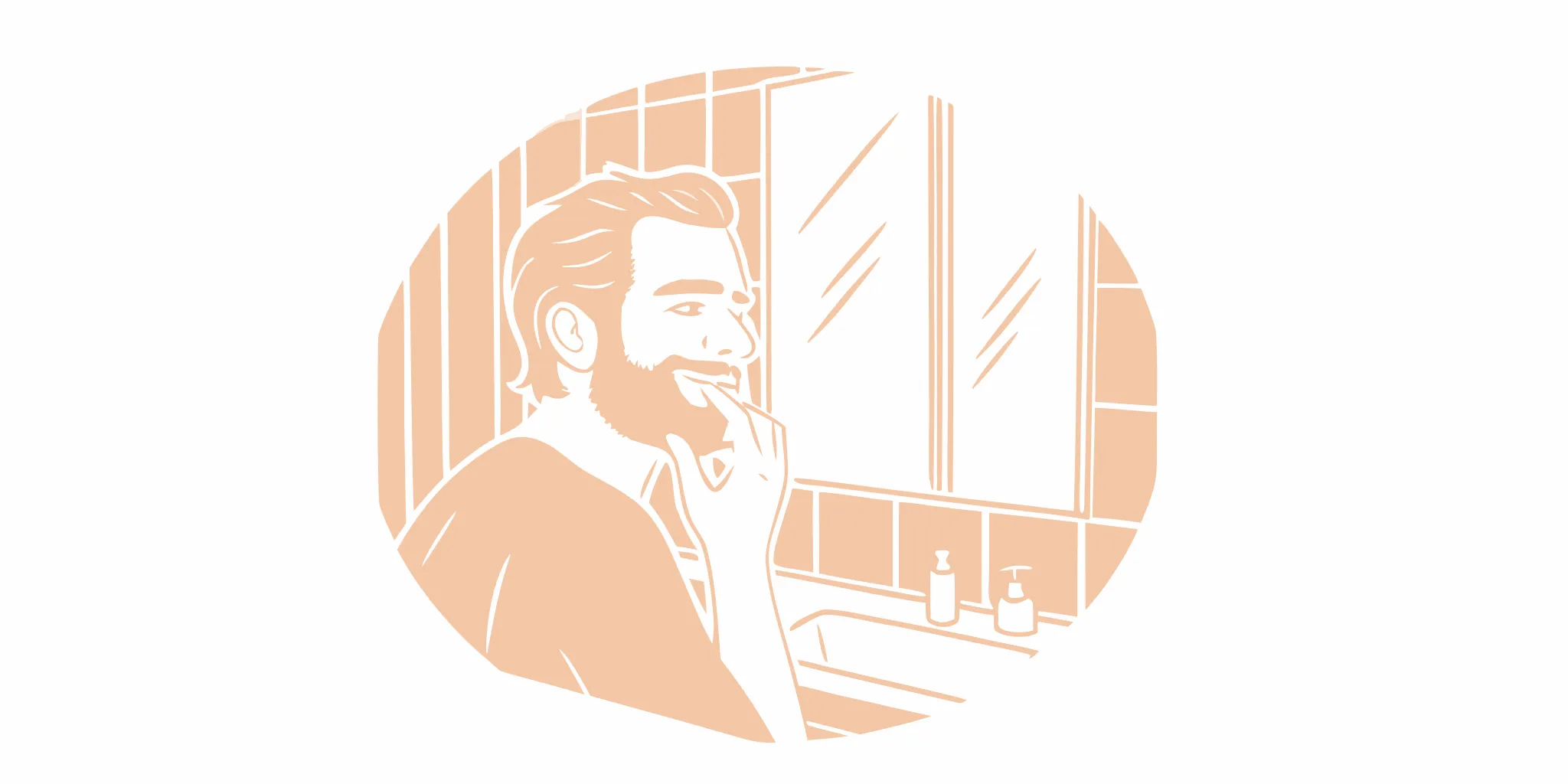
Why does my beard itch? The skin-first answer
Beard itch is one of the most common problems for men growing facial hair. While it feels like the hair is the issue, the real trouble starts with the skin below. When you know why your skin reacts this way, you can stop the scratch for good. Most of the itch comes from dry skin, sharp hair tips, and daily buildup that blocks your pores.
Why does my beard itch? Most beard itch is caused by dry skin and trouble from sharp hair tips. As facial hair grows, the ends can curl back and poke the skin. Without enough moisture, your skin becomes tight and flaky, which makes the itching worse. Using a balm or oil with lots of vitamins helps soften the hair and care for the skin to stop the redness.
New growth and sharp tips
When you shave, you cut the hair at an angle. This leaves a sharp point on the end of each strand. As the hair grows out, these sharp tips can rub against the skin or even curl back and poke it. This leads to redness and small bumps. In some cases, it can cause shaving bumps, which happen when hairs grow back into the skin and cause a reaction.
This "foreign body reaction" is a big cause of the prickly feeling you get during the first few weeks of growth. The skin sees the sharp hair tip as an invader. This triggers a response that leads to itching and small red spots. Keeping the hair soft is the best way to prevent these sharp ends from poking your face.
Dry skin and lack of moisture
Your face makes natural oils called sebum to keep your skin and hair healthy. However, a beard acts like a sponge. It pulls those natural oils away from your face to coat the hair strands. This leaves the skin below dry, tight, and prone to flaking. This flaking is often called "beardruff," and it is a clear sign that your skin needs more care.
To fix this, you must moisturize skin under beard daily. Many men use standard creams, but these often fail to reach the skin through thick hair. Beef tallow is a better choice because it is like the natural fats in human skin. It has vitamins A, D, E, and K, which help fix the skin and lock in moisture. Choosing between beard oil vs balm for itchiness depends on your beard length, but both work to replace those lost natural oils.
Buildup and harsh cleaning
Daily life leads to a buildup of dead skin, bits of food, and dust in your beard. If you do not wash it, this grime sits against your skin and causes redness. However, using regular soap or strong shampoos can make the problem worse. These items often strip away every bit of oil, leaving your face even drier than before. This cycle of buildup and harsh cleaning keeps the itch coming back.
A simple routine is the best way to manage this. Wash your beard with a mild soap once or twice a week to remove dirt without hurting your skin. Follow up with a tallow-based product to keep the skin soft. This simple way of doing things keeps your beard looking clean and feeling great. When your skin is healthy, the itch goes away, leaving you with a soft and easy beard.
Common beard itch causes and what they feel like
Beard itch has a few common roots. The trick is to read what your skin is telling you instead of guessing. A new beard, a dry face, sweat, and heavy buildup can all feel like the same itch at first.
New growth and sharp stubble
Starter beard itch often shows up when short hairs rub the skin as they grow. This can feel prickly, sharp, or scratchy. Keep the face clean, soften the hair, and brush the beard so the hairs sit in one direction.
Dry skin under the beard
Dry skin is the big one. Beard hair can pull oil away from the face, and the skin under it is easy to ignore. When that skin gets tight, rough, or flaky, it sends the same signal every man knows: itch.
Buildup, sweat, and harsh products
Sweat, dead skin, dust, food, and product can sit under the beard. If you do not wash well, buildup can make the skin feel dirty and sore. If you wash too hard, the skin dries out and itches again.
| Cause. | Signs. | Response. |
|---|---|---|
| New growth. | Prickly skin. | Brush and soften. |
| Dry skin. | Tight flakes. | Add balm. |
| Buildup. | Greasy itch. | Clean gently. |
| Harsh soap. | Burning dryness. | Use beard wash. |
If the itch comes with strong pain, spreading redness, open skin, or symptoms that do not improve, get advice from a qualified health pro. Grooming can support comfort, but it is not a cure for skin disease.
How to stop beard itch with a simple routine
Most men give up on their beard during the first month. The itch starts to feel like a constant prickle that won't go away. If you keep asking why does my beard itch, you are not alone. It is a sign that your skin is dry and needs help. You don't need a hard plan to fix it.
Many guys think they have to spend hours in front of the mirror. This is not true. A practical routine takes less than five minutes of your morning. By using the right tools and a few quick moves, you can soften the hair and soothe the skin underneath. This stops the urge to shave it all off before you reach your goals.
When you start a new growth phase, your face must adapt to the change. Hair can trap dirt and skin cells near the surface. Without a set plan, this leads to red bumps and a deep itch. Following a steady path each day ensures your beard looks good and feels great.
The daily comfort checklist
- Wash with a mild wash. Use a special wash like the ones in the DALYSMOOTH Clean Collection twice a week. Standard soaps are too harsh. They strip away the oils your skin needs to stay soft and healthy. A clean base stops the buildup of dead skin. This prevents a foreign body reaction in the hair follicle that causes pain and red bumps.
- Dry your beard with a soft touch. Do not rub your face with a rough towel when you get out of the shower. Pat the hair dry or use a hair dryer on a cool setting. High heat can damage the hair and make the tips feel sharp. Sharp hair tips often curl back and poke the skin, which is a main cause of itch.
- Apply a tallow-based balm. Once your hair is damp, use a product that feeds the skin. Beef tallow is the best choice for men because it mirrors the natural fats in your skin. This allows your face to soak up vitamins A, D, E, and K. Work the balm deep into the roots to moisturize skin under beard areas that are hard to reach.
- Brush to spread the moisture. Use a boar hair brush to move the balm from the skin to the tips of the hair. Brushing also helps to clear away dry flakes. This keeps your pores open and prevents white flakes from showing up on your shirt. It is a vital part of any perfect beard care routine.
- Trim the stray hairs. Use sharp shears to clip any hairs that grow toward your nose or curl into your neck. These stray hairs cause most of the sharp pains and itchy spots. If you are stuck choosing between beard oil vs balm for itchiness, a balm offers more hold to keep these hairs in place.
- Stay steady every day. A great beard does not happen by chance. You must follow these steps every morning to see real change. Use the Full Swing Bundle to get all the tools you need in one simple set. When you keep the skin fed and the hair soft, the itch will stay away for good.
Why skin health matters
The skin under your beard is different than the skin on your cheeks. It produces less oil and can dry out fast as the hair pulls moisture away. DALYSMOOTH products use beef tallow to solve this problem. Tallow is a rich fat that skin knows and absorbs without a greasy feel. It provides the fuel your face needs to support a strong skin barrier.
When you use clean, USA-made products, you avoid the harsh chemicals found in cheap brands. These fillers often cause more redness and make the itch worse over time. Focusing on quality helps you maintain a bold look without the pain. Join the Daly Club to get more tips on how to keep your beard in top shape year-round.
Why tallow-based beard care fits itchy, dry skin
Most men ask, "why does my beard itch?" when they first grow facial hair. The answer usually comes down to two things: dry skin and sharp hair tips. When you shave, the hair gets a sharp edge like a tiny spear. As it grows out, that sharp tip can curl back and poke your skin. This leads to a response that makes your face feel hot and itchy.
Dryness is another big problem for men with beards. Your face makes a natural oil to stay soft. When you grow a beard, the hair pulls that oil away from your skin to stay soft. This leaves the skin underneath feeling tight and flaky. Without the right care, this dryness turns into white flakes and constant pain. You need to moisturize skin under beard to keep your skin strong and healthy.
Common causes of beard itch
There are a few reasons why your beard might feel like it is on fire. One major cause is buildup on the skin. Dead skin cells and dirt can get trapped under the hair. This mix blocks your pores and leads to red bumps. If you do not clean your beard often, the itch will only get worse. Sharp hairs also cause a lot of pain. When you trim your beard, the ends are very sharp. As they grow, they rub against the skin.
This triggers a foreign body response that leads to bumps. In some cases, this can turn into a disorder called pseudofolliculitis barbae, which is just a name for bad shaving bumps. You need a way to soften those hairs so they do not hurt your face. Keeping the face clean and well-fed is a top way to stop the scratch and keep your skin calm.
The power of beef tallow for skin health
Beef tallow is the hero part in DALYSMOOTH products because it works with your body. Tallow is a natural fat that is very like the oils your own skin makes. This means your skin takes it in fast without feeling greasy or heavy. It gives deep care that plant oils often fail to match. It fits the skin like a key in a lock. Tallow is full of vitamins A, D, E, and K which help to fix the skin shield and keep moisture inside.
When your skin has the food it needs, it stops being dry and itchy. Tallow helps to stop the itch by feeding the skin the fats it lost. This makes the skin underneath your beard feel soft all day long. It is a simple way to get results without a long routine. You can focus on your work instead of scratching your face. It is about simple care for men who want the best.
A simple routine for daily comfort
You do not need many steps to fix an itchy beard. Most men just want something that works. Using a tallow-based balm is a smart move. It softens the hair so it does not poke your face. It also puts a layer of cover on your skin to stop it from drying out in the wind. When you pick your products, you might look at the choice of beard oil vs balm for itchiness to see which one you like best.
A balm often stays on the skin longer, which is great for very dry skin. DALYSMOOTH products are made in the USA to give you a clean way to look your best. They help you kill the itch so you can get back to your game without worry. Simple, honest, and strong care is what we do. It is time to stop the itch and start feeling like a pro.
- Use a tallow balm daily to soften sharp hair tips.
- Clean your beard to stop dirt from blocking your pores.
- Moisturize the skin underneath to stop white flakes.
What should you avoid when your beard itches?
When your beard feels like a cactus, it is easy to make mistakes. You might want to scrub it hard or use heavy soaps to find relief. But some habits often make the problem worse. If you want to know why does my beard itch, look at your daily routine first. Bad habits can strip your skin of the oils it needs to stay healthy. This can lead to a cycle of dryness and pain that is hard to break.
Skip the harsh soap
Most men use the same bar soap on their face that they use on their body. This is a big mistake for your beard. Body soaps are too strong and strip away the natural oils that your facial hair needs. This leaves the skin underneath dry and flaky. Instead, you should moisturize skin under beard with products that match your skin's own makeup. This helps the skin stay soft and prevents the tight feeling that leads to itching.
Avoid over-washing your face as well. Scrubbing your beard every day can cause more harm than good. You should only use a special beard wash one or two times each week. This keeps things clean without drying them out. If you wash too much, your skin will become tight and itchy. This can lead to red bumps and more pain over time. Your skin needs time to make its own natural barrier between washes.
Turn down the heat
A hot shower feels great on a cold morning, but it is bad for your beard. Very hot water opens your pores and pulls moisture out of your skin. This causes the hair to become brittle and sharp. When those sharp hair tips grow back into your skin, they trigger a reaction. Experts at the National Institutes of Health note that these sharp tips can cause redness and itching. This issue is often called shaving bumps or PFB. It happens when the hair curls back and pokes the skin.
Use lukewarm water instead. It cleans your beard without burning your skin. After your shower, pat your face dry with a soft towel. Do not rub it hard. Rubbing can break the hairs and lead to more ingrown problems. A gentle touch helps keep the hair soft and the skin calm. This is a key part of a perfect beard care routine that works for busy men. A gentle touch saves you from days of itching later.
Stop the scratching
It is tempting to scratch an itchy beard, but you must resist. Scratching creates tiny tears in your skin. These tears can let in germs and lead to small sores. If you scratch too hard, you might even pull out hairs by the root. This leads to patchy growth and even more redness as the hair tries to grow back in. Scratching just restarts the cycle of pain. It is better to use a balm to soothe the skin than to use your nails.
You should also avoid products with a lot of fake stuff in them. Many cheap oils use fake scents and fillers that clog your pores. These parts can sit on top of your skin and cause buildup. Instead, look for natural fats that your skin knows. Beef tallow is a great choice because it mirrors your skin's own oils. It helps fix the skin barrier so you stop feeling the urge to scratch. Do not swap all your products at once. Add one item at a time so your skin can adjust.
- Do not use body soap on your beard.
- Do not use very hot water when you wash.
- Avoid scratching or picking at the skin.
- Do not skip the skin underneath your hair.
- Avoid oils with heavy fake scents.
- Do not swap all your products at once.
How long does beard itch last?
Most men find that the sharpest itch happens in the first few weeks of growth. If you are starting a new beard, expect the tickle to last about one to three weeks. This happens because the short, sharp hairs curl back and poke your skin. While it is a normal part of the step, knowing why does my beard itch can help you fix it. For most, the itch fades as the hair gets long enough to stay away from the face.
The first three weeks
The first stage of growth is often the hardest for your skin. When you shave, you cut hairs at a sharp angle. As those hairs grow out, they can curve back and pierce the top of your skin. This leads to a foreign body reaction that causes redness and a strong urge to scratch. If your skin is dry, this feeling gets even worse. Once the hairs grow past a certain length, they lose that sharp edge, and the skin usually calms down.
During this time, keeping the area clean is vital. Buildup of dead skin and oil can trap those sharp tips. This makes the itch feel even sharper and can lead to small bumps. Using a simple wash and a balm can keep the hair soft. This makes it less likely to poke you as it grows out of the follicle.
Handling long term itch
If you have a full beard and it still itches, the cause is usually not the hair. It is likely the skin below. Without the right care, your skin can get very dry and flaky. This is often called beard dandruff. You can fix this by using a routine that puts moisture back into your face. Our Full Swing Bundle uses beef tallow to give your skin the nutrients it needs. Tallow sinks in deep to stop the itch at the source and keep the skin barrier strong.
Most men see a big change in two to four weeks with a steady routine. If you wash and hydrate every day, the skin adapts. The goal is to keep the hair soft and the skin well-fed. When you use natural fats like tallow, the skin takes them in and stays calm. This stops the dry, tight feel that makes you want to reach for a razor.
When to see a pro
Most beard itch is just a short phase that you can fix at home. But sometimes, a long itch might be a sign of a real skin issue. If you see severe redness, oozing, or if the itch does not go away after a month of care, you should ask a doctor for help. A doctor can check for fungal infections or deep skin problems that need special meds. For most guys, though, a bit of patience and some high-quality tallow is all it takes to get through the itchy days.
Frequently asked questions
Why does my beard itch so much?
Your beard often itches because the skin under it is dry, tight, dirty, or rubbed by coarse new growth. The fix starts with the skin, not just the hair. Wash with a gentle beard and face cleanser, dry without high heat, then use a nourishing balm to soften the hair and support the skin under it.
Does beard itch mean my beard is dirty?
Not always. Buildup can cause itch, but so can over-washing, harsh soap, cold air, hot water, and dry skin. If your beard feels greasy or clogged, cleanse it. If it feels tight or flaky after washing, use a gentler routine and add moisture back to the skin.
How do I stop beard itch fast?
Start by rinsing or washing the beard with a mild product, then pat it dry. Work balm into the skin under the beard, not just the outer hair. Brush the beard to spread product and train the hairs. Do not scratch hard, because that can make the skin feel worse.
Can beef tallow help an itchy beard?
Beef tallow can fit an itchy beard routine because it helps nourish dry skin and soften coarse facial hair. DALYSMOOTH uses beef tallow as a simple, premium grooming ingredient. It supports comfort and a healthy-looking beard, but it should not be treated as a medical cure.
Ready to stop the itch and get a healthier beard right now today?
Leaving a dry beard alone will not fix the itch and your skin will only feel more sore the longer you wait to take action. Every day you wait to help your face is a new day of pain and flaky skin that you do not have to deal with. You can start your perfect beard care routine today and see a real change in how you look and feel by tonight. Taking this step now helps you avoid more skin health issues and keeps you looking sharp without a long or hard grooming plan at home.
Ready to get results? Shop the DALYSMOOTH product collection to stop the itch and get the skin-first grooming tools you need to feel great.


