

How to Soften Coarse Beard Naturally with Tallow
A coarse beard usually is not a sign that your hair is unmanageable. Rough texture often points to a simple mismatch between the hair's needs and the products used on it. When facial hair lacks moisture, each strand can feel wiry, catch on neighboring hairs, and become harder to shape. Overly aggressive cleansing can make that problem more noticeable by removing the oils that help keep hair and the skin beneath it comfortable.
To soften coarse beard naturally, use a gentle wash to remove buildup without over-cleansing, then apply a beef tallow-based balm to slightly damp hair. Tallow's sebum-like lipids help condition the beard and support the skin barrier, while naturally occurring vitamins A, D, E, and K add nourishing value.
The goal is not to coat a beard in fragrance or force instant softness with harsh ingredients. It is a consistent, straightforward routine that keeps moisture where it belongs. Start by looking at what roughness reveals about the hair, skin, and cleansing step.
Why Coarse Beard Hair Feels Rough (and Why Harsh Chemical Softeners Backfire)
Coarse beard hair feels rough for a straightforward reason: it often lacks enough moisture to stay flexible. The thicker, wirier texture catches against neighboring hairs, which can lead to tangling, snagging, and breakage when the beard is brushed or shaped. Hair that is dry at the same time feels even more rigid against your hand. Coarse hair needs nourishing agents and consistent conditioning, not a quick coating that only makes the surface feel slick for a few hours.
The skin underneath matters, too. When the skin is dry, the beard has a less comfortable foundation and is harder to keep manageable. The American Academy of Dermatology Association explains that a healthy skin barrier helps protect against dryness and irritation. Both of which can make facial hair feel rougher and less cooperative. Supporting the skin barrier is part of serious beard care, not an extra step for men who want a complicated routine.
What harsh chemical softeners do to coarse hair
Many conventional softeners try to create instant slip with a mix of strong surfactants, drying alcohols, silicones, or synthetic fragrance. The problem is not that every synthetic ingredient behaves identically. The problem is using an aggressive formula that leaves the beard and the skin underneath feeling stripped after washing. Then relying on a surface coating to hide the result.
Harsh cleansers can remove sebum, the skin's natural oil, along with dirt and buildup. The AAD notes that over-cleansing can contribute to dryness by taking away oils the skin needs. That matters under a beard, where dry skin and stiff hair compound each other. A silicone-heavy product may make the beard feel smoother temporarily, but it does not replace the moisture and nourishment lost during an overly aggressive wash. Drying alcohols can create a similar mismatch, especially when the formula is used daily.
Synthetic fragrance is another unnecessary variable for a simple grooming routine. A strong scent does not soften a beard. It only adds fragrance to the formula, and some men find heavily fragranced products uncomfortable on already-dry skin. Coarse facial hair also tangles and breaks more easily than finer hair, so it needs conditioning that improves flexibility and manageability rather than just a polished finish.
| Approach | What it supplies | How it treats coarse hair |
| Harsh chemical softener | Surfactants, drying alcohols, silicones, synthetic fragrance | Coats the surface, can strip sebum, leads to rebound dryness. |
| Natural tallow balm | Lipids that mimic sebum, vitamins A, D, E, and K | Conditions hair and supports the skin barrier underneath. |
A better approach is gentle cleansing followed by real, oil-based nourishment. Beef tallow is naturally rich in vitamins A, D, E, and K, and its lipid profile is suited to nourishing skin and hair together. That gives a coarse beard the support it actually needs: less stripping, more moisture, and a texture that becomes easier to control over time.
Why Beef Tallow Is the Natural Choice for a Softer Coarse Beard
Coarse facial hair does not need a complicated routine. It needs the right kind of conditioning, applied consistently to the hair and the skin beneath it. Beef tallow stands out because its lipid profile works with the beard's natural environment rather than simply coating the surface.
Tallow mirrors your skin's natural sebum
Beef tallow is composed primarily of triglycerides, the same broad class of lipids found in human sebum, the natural oil produced by skin. That similarity makes tallow a practical fit for beard care. Instead of relying on a heavy film that sits on top of wiry hair. Its fatty acids can spread through the beard and help soften it from root to tip. The result is a beard that feels more flexible and manageable, not merely slick for a few minutes.
Those lipids also matter below the beard. Skin that lacks moisture can make coarse hair feel rougher and less comfortable against the face. Tallow lipids support the skin barrier, help reduce transepidermal water loss, and promote better hydration. Because they resemble skin lipids, they absorb easily and are typically non-comedogenic for most users when applied correctly. Individual skin can vary, so start with a small amount and pay attention to how your skin responds.
The sourcing and rendering process matters, too. For a closer look at the ingredient's provenance, read how grass-fed beef tallow is sourced before choosing a grooming formula.
Vitamins A, D, E, and K work beneath the surface
Tallow naturally contains vitamins A, D, E, and K. In a beard routine, that nutrient profile supports the skin's protective barrier while the fatty acids condition the hair itself. This is a two-part advantage: the beard gets the nourishment needed for softness and control, while the skin underneath gets support for a more hydrated, comfortable feel. The underlying research on tallow's lipid compatibility and vitamin content is documented by the National Center for Biotechnology Information in this review of tallow's skin applications and this review of its vitamin profile.
Use a modest amount and work it through the full beard, including the roots. That is where a lipid-based conditioner can make the biggest difference in texture. With regular use, tallow helps turn a coarse beard from dry and resistant into softer, easier-to-shape facial hair without adding unnecessary steps.
Start With a Gentle Wash: How to Soften a Coarse Beard Naturally Without Stripping It
A coarse beard does not need aggressive scrubbing to feel clean. It needs a wash that removes sweat, buildup, and debris without taking away the oils that help keep facial hair flexible. A tallow-based face and beard wash is designed to cleanse while preserving the natural oils needed for a softer, more manageable beard, as reflected in DALYSMOOTH's Face & Beard Wash.
- Wet the beard thoroughly with lukewarm water. Work the water through the hair and down to the skin underneath. Very hot water can leave the skin feeling drier, so keep the temperature comfortable rather than steaming.
- Use a modest amount of a moisturizing beard wash. Massage it through the beard with your fingertips, reaching the skin beneath the hair. Choose a formula that cleanses without aggressively stripping sebum. The American Academy of Dermatology Association notes that harsh cleansers can remove natural oils and worsen dryness and coarseness. Read the AAD's skin-care guidance for the underlying barrier principles.
- Rinse until the water runs clear. Residue can make a beard feel stiff or coated, while incomplete rinsing can leave buildup against the skin. Take the extra few seconds to rinse beneath the jaw and around the mustache, where product and debris often collect.
- Pat dry and leave the beard slightly damp. Do not rough up the hair with a towel. Hydrating the skin beneath the beard helps reduce dryness and beardruff, according to the AAD. A slightly damp beard also gives the next conditioning step a better surface to spread across.
- Condition while the beard is still slightly damp. Apply a small amount of balm through the hair and into the skin, then distribute it evenly. Conditioning at this stage helps seal in moisture and improves balm distribution, a technique also recommended by Healthline's beard-softening guidance. For more detail on choosing a moisturizing beard wash, focus on hydration and a non-stripping finish rather than a harsh, squeaky-clean feel.
How often to wash a coarse beard
For most coarse beards, washing two to three times a week is a practical starting point. Adjust around workouts, outdoor work, heat, or visible buildup, but avoid over-washing as a default habit. Cleansing too often can repeatedly remove sebum, leaving the hair and the skin underneath drier. Between washes, rinse when needed and rely on light conditioning to keep the beard comfortable and controlled.
Daily Conditioning: Beef Tallow Beard Balm for Softness and Control
Once your beard is clean and slightly damp, balm gives the hair a practical layer of conditioning, softness, and control. Natural beard balms can hydrate coarse hair, improve manageability, and calm the dry feeling beneath the beard without turning your routine into a five-product project. Medical News Today notes that natural beard balms help soften rough hairs, add shine, and soothe itchy skin beneath facial hair: https://www.medicalnewstoday.com/articles/321014.
How much balm to use
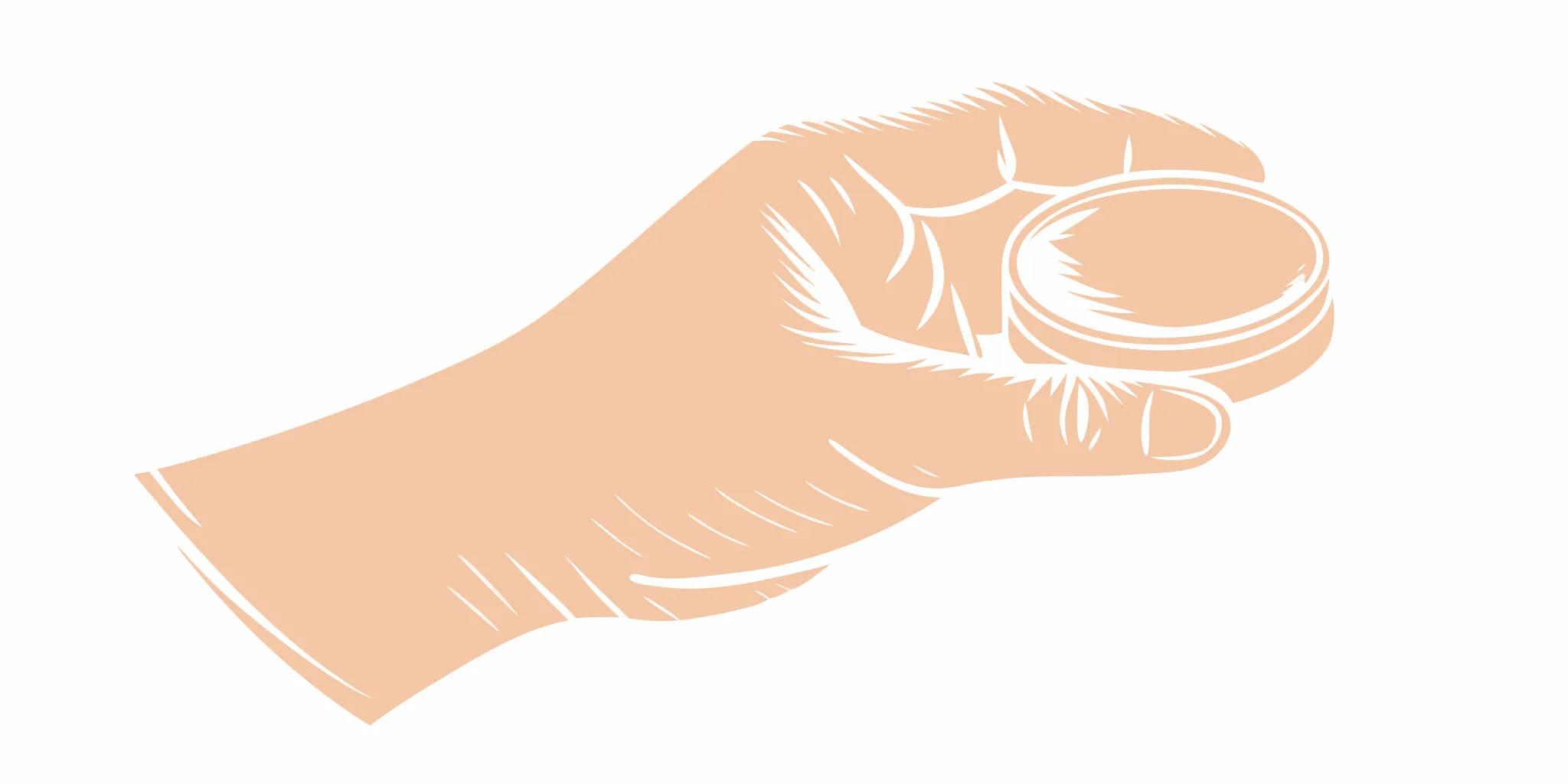
Start with a small amount, roughly a pea-sized portion for a short or medium beard. Longer or especially dense facial hair may need more, but build gradually. Too much product sits on the surface, weighs down the beard, and creates the greasy finish most men want to avoid.
Warm the balm between your palms until it spreads easily. Work it through the beard from the skin outward, then use your fingertips to reach the areas that tend to feel roughest. A quality beard balm should condition the hair while helping it sit in a cleaner shape.
Apply to a slightly damp beard
Do not apply balm to a dripping-wet beard. After washing, pat away excess water and leave the hair slightly damp. Healthline reports that applying beard balm in this state helps seal in moisture and improves distribution for softer results: https://www.healthline.com/health/how-to-soften-beard.
That timing also helps tallow balm spread from root to tip instead of collecting on the outer hairs. DALYSMOOTH tallow balms are designed for lasting hydration, making daily conditioning a sensible choice for dry or coarse facial hair. Shop the DALYSMOOTH beard balm collection and build a simpler routine around softness and control.
Shape and control without grease
After distributing the balm, brush or comb the beard in the direction you want it to grow. Use less product around the moustache and neckline, where buildup is easy to notice. The goal is a beard that feels conditioned and holds its shape, not one that looks wet.
A simple daily balm routine can soften and style even a coarse beard without excessive steps. If you need a closer walkthrough, read how to use beard balm without grease. Give the balm a few minutes to settle before adding more. Consistent, measured application delivers better control than a heavy dose used only when the beard becomes difficult to manage.
The Consistent Routine That Keeps a Coarse Beard Soft
A coarse beard rarely changes because of one aggressive treatment. It changes when the same practical care happens often enough to support better texture. Healthline notes that daily hydration and nourishment are more effective for softening coarse hair than sporadic intensive treatments. Consistency is the real advantage.
Keep the routine simple: cleanse gently, then follow with oil-based nourishment. Medical News Today identifies this combination as an effective natural approach because a non-stripping cleanser removes buildup without making the beard feel drier. While nourishing oils help lock in moisture. That pairing works better than repeatedly correcting roughness after it returns. Read the grooming guidance from Medical News Today.
Brush daily to distribute natural oils
After washing and applying a small amount of balm, use a quality boar-bristle brush to work through the beard from the roots toward the ends. Brushing distributes natural oils and tallow-based product more evenly, which helps soften coarse hair throughout the beard instead of leaving nourishment concentrated on the surface. It also helps separate hairs that tend to crowd, twist, or catch on one another.
Use steady, controlled passes rather than forcing the brush through knots. If the beard feels especially dry, apply balm while it is slightly damp, then brush once the product has spread. For men comparing finishing products, this guide to beard balm vs beard oil explains how each fits into a grooming routine.
Give the process two consistent weeks before judging the result. The goal is not a temporary slick finish, but a beard that feels more manageable between washes and responds better to shaping. A regular grooming routine can improve the appearance, texture, and manageability of facial hair over time.
Start a two-week routine today: cleanse gently, nourish with balm, brush daily, and shop the DALYSMOOTH Full Swing Bundle for a straightforward system built for coarse beards.
Frequently Asked Questions
How can I soften coarse beard hair naturally?
Use a two-step routine: wash with a gentle, beard-specific cleanser, then apply a small amount of balm to a slightly damp beard. This removes buildup without needlessly stripping natural oils, while the balm helps condition rough hair and improve control. A brush or comb distributes the product from the roots through the ends. Consistency matters more than occasional heavy treatments.
Does beef tallow help soften a coarse beard?
It can. Beef tallow contains triglycerides similar to those found in human sebum, so its lipids are compatible with the skin's natural oil profile. Research also identifies vitamins A, D, E, and K in beef tallow. In a beard balm, those fats help nourish the skin beneath the beard while coating coarse hair for a softer, more manageable feel. Sources: academic review of tallow lipids and research on tallow's vitamin content.
How often should I wash my beard to keep it soft?
Wash as often as needed for sweat, dirt, or product buildup, but avoid treating every wash like a deep cleanse. Overly harsh cleansers can remove sebum and leave beard hair and the skin underneath feeling drier. Choose a beard-friendly wash, rinse thoroughly, and follow with balm while the beard is slightly damp. If your beard feels tight or rough after washing, reduce the cleanser's intensity or frequency.
Why is my beard hair so coarse and prickly?
Dryness is a common reason facial hair feels rough, and dry skin beneath the beard can also contribute to itch. Coarse hair is more likely to tangle and break, so hydration and regular conditioning improve manageability. Apply balm consistently rather than waiting until the beard feels brittle. If irritation persists despite a gentler routine, stop using the product and seek professional guidance. Source: American Academy of Dermatology skin-care guidance.
Ready to Build a Softer Beard Routine?
A simple wash-and-balm routine can help soften coarse beard hair, improve control, and keep the skin underneath feeling nourished. Start with products built around beef tallow and a straightforward approach, then make the routine consistent. Shop the DALYSMOOTH beard balm collection to choose a balm for your daily routine, or explore the Full Swing Bundle for a complete starting point.


