

How to Make Beard Look Thicker with Grooming
A beard can have solid length and still look thin when the hair is dry, wiry, unevenly shaped, or breaking at the ends. The goal is not to promise new growth. It is to make the hair you have look healthier, better controlled, and more deliberately styled.
To make beard look thicker, focus on conditioning the beard and the skin beneath it, reduce breakage, then use brushing, balm, and a clean shape to direct coverage across sparse-looking areas.
Beef tallow is naturally rich in vitamins A, D, E, and K and can help nourish skin while softening coarse facial hair. That gives the beard a smoother, more controlled texture instead of a dry, scattered appearance.
Before choosing a product or changing your trim, it helps to understand what is actually creating that thin or patchy look.
Why Does My Beard Look Thin or Patchy?
Some beard density is decided before you ever pick up a trimmer. Genetics influence how many follicles grow in a given area, the pattern of coverage across your cheeks and jaw, and the thickness of each hair shaft. That baseline varies from man to man. Grooming cannot rewrite it, but it can make the beard you have look more substantial, controlled, and consistent.
Is the beard actually sparse, or is the hair breaking?
Not every thin-looking beard is a density problem. Dry, wiry hair tends to separate into uneven strands, exposing more of the skin beneath it. Breakage can create the same effect. When coarse hair is repeatedly exposed to dryness, friction, rough handling, or poor conditioning, the ends become uneven and the beard loses visual weight. Hair that stays intact and lies together gives better coverage, even when the number of follicles has not changed.
That is why conditioning matters for appearance as well as comfort. A properly conditioned beard is softer, easier to direct, and less likely to look thin because of avoidable breakage. Beard balm can help manage a wiry texture while adding control, so sparse areas do not stand out as sharply. The result is visual fullness, not a claim that the product creates new growth.
Why does the skin under the beard matter?
Your beard sits on skin, and neglected skin can affect how the whole beard presents. Dryness and irritation may make you scratch, rub, or handle the hair more than necessary. Nourishing the skin beneath the beard helps support a healthier skin barrier and keeps the foundation of your grooming routine in better condition. DALYSMOOTH puts beef tallow at the center of its beard and skin care because it is designed to nourish both the skin and the facial hair without turning a straightforward routine into a complicated project.
Does shaving make a beard grow back thicker?
No. Shaving cuts the hair shaft at the surface, which can make new stubble feel blunt or appear darker for a short time. It does not change the hair's thickness, color, or rate of growth. The Mayo Clinic explains that shaving does not make hair grow back thicker. If your beard looks patchy, shaving it down repeatedly will not fix the underlying density pattern.
A more useful approach is to give the beard enough time to show its natural coverage. Keep the skin beneath it nourished, reduce dryness and breakage, and use shaping to direct the hair you already have. That combination helps you make your beard look thicker while keeping expectations tied to genetics and good grooming rather than myths.
What Actually Makes a Beard Look Fuller?
A fuller-looking beard is not created by one miracle ingredient or a single aggressive trim. It comes from managing three visible factors at the same time: enough length to provide coverage. Healthy texture that reflects light instead of looking dry and wiry, and styling that directs the hair where it gives you the most even shape.
Length gives sparse areas more coverage
Very short growth can make natural gaps stand out because each hair has less reach. Giving the beard time to develop can allow surrounding hairs to overlap those areas and create a more balanced outline. That does not change your underlying density. Beard coverage and shaft thickness vary from man to man, and genetics set limits on what grooming can achieve.
Patience matters here. A beard can look uneven during the middle stages, especially when different areas grow at different rates. Constantly resetting it before the shape has time to develop makes it harder to judge the finished result. Let it grow long enough to see its natural pattern, then make deliberate adjustments instead of reacting to every sparse-looking patch.
Healthy texture makes each hair work harder
Dry, rough, wiry hair separates into stray strands and creates more visible space between the hairs. Softer, better-conditioned hair tends to sit together more cleanly, so the same beard can look denser without any change in the number of follicles. Conditioning also helps reduce breakage, which protects the length you are trying to build. The practical goal is not to make a biological promise. It is to keep the beard you have in better shape.
Strategic styling creates immediate volume
Brushing and shaping can distribute the hair more evenly, guide longer strands across visually sparse areas, and give the outline a stronger profile. A small amount of balm can then help hold that arrangement. Styling products may also add temporary volume by coating the hair shafts, making individual hairs appear slightly thicker. That effect is useful for the day, but it is cosmetic and temporary, not new growth.
The best approach is consistent rather than complicated: allow enough length, condition regularly, and style with intention. DALYSMOOTH beard balms are designed to soften, control, and shape without turning the routine into a production. The next steps focus on the two areas that determine whether that fuller look holds up: reducing breakage through conditioning and keeping the skin beneath the beard properly cared for.
Can Conditioning Reduce Breakage in a Beard?
Conditioning is one of the most practical ways to make a beard look thicker without pretending grooming can change your genetics. Beard density and hair-shaft thickness vary from man to man, but the way those hairs feel, sit, and hold together can change the overall look. A dry, wiry beard catches light unevenly and separates into rough strands. A conditioned beard feels softer, lays with more control, and keeps more of its visible length.
Breakage matters, too. When coarse hair stays dry and unmanageable, the ends are more likely to split or snap during washing, brushing, and everyday wear. Conditioning products can reduce that roughness and contribute to better long-term fullness. They do not create new follicles, but they help preserve the hair you already have and make the existing beard look more substantial.
How does conditioning make a beard look fuller?
Start with texture. A balm or oil can soften wiry strands so they do not stand apart from the rest of the beard. That gives the beard a more unified shape and helps it hold a deliberate outline instead of spreading into a dry, uneven halo. The result is visual volume built from better control, not inflated claims.
Conditioning can also add texture and a small amount of temporary body. Products that coat the hair shaft may make individual hairs appear slightly thicker, which helps the beard read as denser at a glance. That effect is temporary, so consistency matters more than applying a heavy layer once. Use enough product to reach the hair and the skin beneath it, then brush or shape the beard into place.
Why is beef tallow useful in a beard-conditioning routine?
DALYSMOOTH puts nutrient-rich beef tallow at the center of its grooming formulas. Tallow is naturally rich in vitamins A, D, E, and K. And its role here is straightforward: help nourish the skin and beard while supporting a healthy skin barrier. Better-nourished skin and softer facial hair create a stronger foundation for comfort, control, and a fuller-looking beard. Keep the claim grounded. A tallow balm supports grooming and appearance; it is not a promise of new growth or guaranteed density.
If your main concern is preserving a fuller appearance, start with this beard balm for a thicker beard. Apply a small amount to a clean, slightly damp beard, working it through from the skin outward. Pay particular attention to the ends, where dryness and roughness are easiest to notice. For persistent dryness under facial hair, choose a routine designed to nourish the skin underneath your beard.
Give the routine time to prove itself through everyday wear. The goal is a beard that feels less brittle, stays shaped, and keeps its texture working in your favor. Conditioning will not rewrite your natural growth pattern, but it can help your beard show up at its best.
Can Healthy Skin Beneath the Beard Make It Look Fuller?
A beard does not exist separately from the skin beneath it. When that skin is dry, irritated, or neglected, the beard can feel rough and look less substantial, even when your natural coverage has not changed. A healthy skin barrier gives the hair a better foundation and makes the entire beard easier to condition, shape, and maintain.
This is not a claim that skincare can override genetics. Beard density and hair patterns vary from man to man. The practical goal is to protect the coverage you have and keep each hair looking healthy enough to contribute to the overall shape. When dryness and friction contribute to rough texture or breakage, the beard may take on a thinner, more uneven appearance.
Why does the skin beneath your beard affect its appearance?
Facial hair grows from follicles in the skin, so the condition of that surface matters to the grooming result. Skin that feels tight or irritated often leads to more scratching and inconsistent grooming. That cycle can leave the beard feeling wiry and make it harder to keep the hair soft and controlled. Consistent care helps reduce common grooming complaints such as itchiness and dryness, while making the beard more comfortable to wear.
Start with a wash that removes buildup without leaving the skin feeling stripped. Then apply a small amount of conditioning balm to the beard and work it through to the skin underneath. This step matters because coating only the outer hairs can leave the foundation dry. Use your fingertips to reach the skin, then distribute the remaining product through the beard so the hair feels softer without becoming greasy or weighed down.
For a deeper look at the connection, read why the skin beneath your beard matters. The principle is simple: nourish the skin, condition the hair, and give both time to respond to a consistent routine.
How can nourishment help a beard look fuller?
Conditioning does not create new follicles, but it can improve the way existing hair looks and behaves. Softer hair lies more evenly, holds its shape with less effort, and is less likely to look thin because of a dry, wiry texture. Keeping the hair conditioned also helps limit the roughness and breakage that can make the ends appear uneven over time.
DALYSMOOTH puts beef tallow at the center of its grooming approach because it is designed to nourish both beard hair and the skin beneath it. A balm can be useful after washing, before shaping, or whenever the beard feels dry. Work with a modest amount and build gradually. A healthy-looking beard comes from repeatable care, not from loading it with product once and hoping for an instant transformation.
How to Make Your Beard Look Thicker with Styling and Shaping
Styling cannot change the genetic density or shaft thickness of your beard, but it can change how evenly that density reads in the mirror. The goal is controlled coverage: direct longer hairs across weaker areas, keep the outline deliberate, and use conditioning products to give each hair more body and control.
Start with a clean, mostly dry beard. Use a beard brush to guide the hair in the direction that gives you the most uniform coverage. A few deliberate passes can lay neighboring hairs over sparse areas instead of leaving them separated and exposed. Brush downward along the cheeks, then shape the sides and jaw toward the outline you want. The exact direction depends on your growth pattern, so use the brush to organize your beard rather than forcing every hair flat.
Shaping matters just as much as coverage. A clean cheek line and a defined neckline create contrast between the beard and the skin around it. Remove only the stray hairs that interrupt the outline, and avoid cutting deeply into naturally lighter areas. A controlled trim line makes the beard look intentional, while an uneven border can make the same amount of hair appear patchier.
| Approach | What it does | How it helps fullness |
|---|---|---|
| Trimming | Removes split ends, uneven patches, and stray hairs. | Creates a cleaner outline so the beard reads as denser and more deliberate. |
| Brushing | Distributes and directs beard hair into a consistent shape. | Guides hair over sparse areas for more uniform visual coverage. |
| Conditioning balm | Softens coarse, wiry texture while helping manage the beard. | Reduces the dry, separated look and gives the beard a healthier, more substantial appearance. |
| Styling product | Coats the hair shafts and adds control, texture, and temporary volume. | Makes individual hairs appear slightly thicker for an immediate fuller look. |
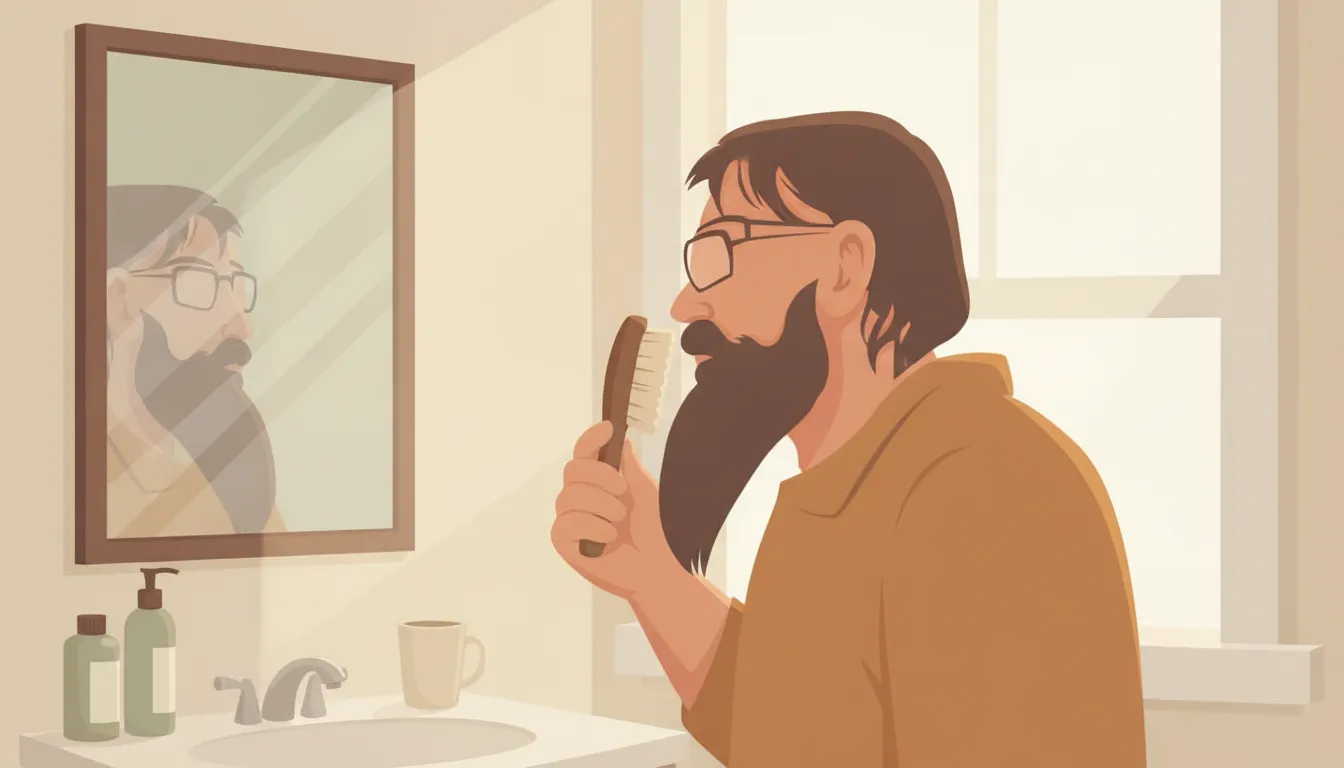
Finish with a small amount of quality balm worked through the beard, starting at the skin and moving toward the ends. Balm can soften a wiry texture and help hold the shape you created. Products that coat the hair provide immediate volume, but that effect is temporary. They are styling tools, not a way to create new growth. DALYSMOOTH beard balms are built for this practical combination of nourishment, softness, and control, giving you a better foundation for shaping without turning the routine into a production.
Does Trimming Make Your Beard Look Thicker?
Yes, trimming can make your beard look thicker, but it does not increase the number of follicles or change the natural diameter of each hair. The difference is in presentation. A controlled trim removes split ends, reduces uneven length, and gives the beard a cleaner outline. Those changes make the existing coverage look more deliberate and substantial.
Split ends are especially unhelpful when you are trying to build a fuller look. They can leave the bottom of the beard ragged, make individual hairs separate from one another. And create the impression of thinness even when the underlying coverage is solid. Removing damaged ends gives the remaining hair a more uniform finish. Regular trimming is commonly recommended for creating a neater, fuller appearance, particularly when uneven patches and frayed ends distract from the shape of the beard.
What does a trim actually change?
A good trim improves the beard's visual structure. The neckline, cheek line, mustache, and bottom edge work together, so stray hairs do not compete with the areas that provide the most coverage. You do not need to take the beard short. The goal is to remove obvious damage and bring the longest, weakest-looking hairs closer to the same general length.
For a longer beard, ask your barber to preserve the bulk while cleaning the perimeter. For a shorter beard, even light maintenance can sharpen the outline and make patchy areas less noticeable. The right approach depends on your growth pattern, face shape, and preferred length. If you are making common mistakes with shape, timing, or tools, review these beard care mistakes before your next trim.
What can trimming not do?
Trimming cannot make the hair shaft biologically thicker. Beard density, coverage, and shaft thickness are heavily influenced by genetics, so two men can follow the same routine and see different results. Cutting or shaving the hair does not alter its thickness, color, or rate of growth, as the Mayo Clinic explains: shaving does not make hair grow back thicker.
That is not a reason to give up on grooming. It is a reason to set the right target. You can make a beard look thicker by protecting its length and removing breakage. Keeping the shape balanced, and conditioning coarse hair so it sits together instead of spreading apart. A clean trim is one part of that system. Pair it with a consistent routine and a quality balm that helps soften and control the beard. And the result will look fuller without pretending genetics do not matter.
Frequently Asked Questions
Is it possible to thicken your beard?
Grooming cannot change the genetically determined thickness or coverage of individual beard hairs. It can make your beard look denser by improving texture, reducing breakage, adding controlled volume, and styling longer hairs to cover sparse areas. Set a realistic target: a healthier, better-shaped appearance rather than a promise of biological thickening.
How can I make my beard look fuller naturally?
Give the beard enough length to create coverage, then keep it conditioned so dry, wiry hairs lie together instead of separating. Brush through the beard in a consistent direction, use a small amount of balm for control, and give the routine time to work. Patience matters because beard density and growth patterns vary from man to man.
Does trimming make a beard look thicker?
Yes, a precise trim can create a fuller-looking beard without increasing density. Removing split ends and uneven patches gives the edges a cleaner outline and keeps damaged ends from making the beard look ragged or thin. Keep enough length for coverage, and shape the neckline and cheek line to suit your natural growth pattern.
Do beard thickening products actually work?
Products can create temporary visual volume by coating and conditioning the hair shafts. A balm can also soften coarse texture and help hold hairs in a more uniform shape, while nourishment under the beard supports a healthier-looking routine. These are appearance and grooming benefits, not a guarantee that new hairs will grow or existing hairs will become permanently thicker.
Ready to Build a Fuller-Looking Beard?
A consistent routine can help your beard look more controlled, conditioned, and substantial. The Full Swing Bundle brings together the essential care for softening facial hair and nourishing the skin beneath it, so shaping and styling feel straightforward.


